Home Window Tinting: A Practical Guide
By
Ethan
Published
January 20, 2026
Time
2 min read
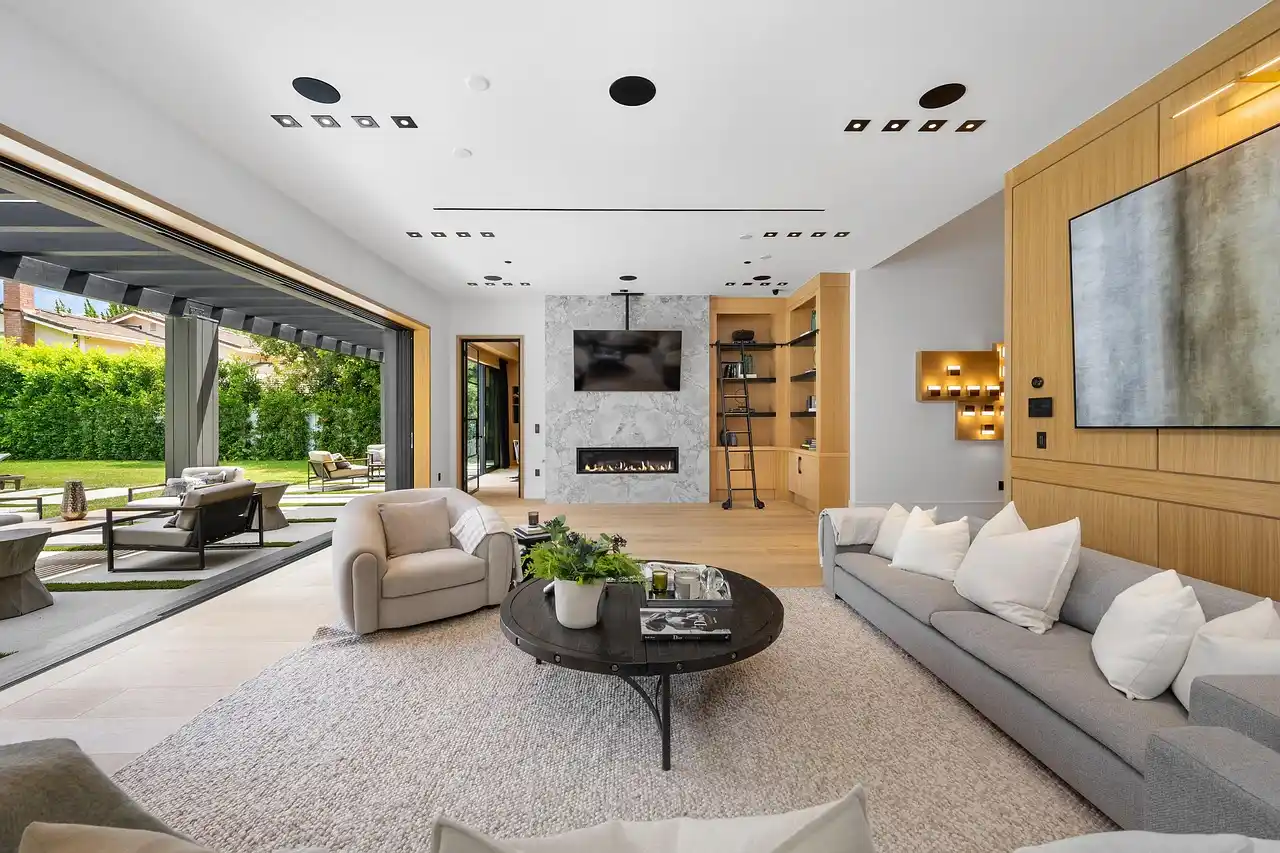
Home window tinting is a practical upgrade for modern homes, offering better comfort, privacy, and energy efficiency. By choosing the right film and professional installation, homeowners can reduce heat gain, protect furnishings from UV fade, and enhance curb appeal without sacrificing daylight or view. This guide covers why to tint, what types are available, how to evaluate installers, and what to expect from costs and maintenance.
Benefits of Home Window Tinting
Tinted windows provide several tangible advantages for residential spaces. First, UV protection helps prevent furniture, flooring, and artwork from fading in exposed areas. Second, heat reduction translates into lower cooling costs in hot climates and steadier indoor temperatures. Third, privacy and glare control improve comfort in living rooms, bedrooms, and home offices. Finally, window tinting can reinforce safety by adding a thin layer of film that holds shattered glass together in case of impact.
- UV protection reduces fading and health risks from prolonged sun exposure.
- Energy savings come from lower cooling loads and more stable indoor temperatures.
- Glare reduction helps with screen viewing and daytime comfort without heavy drapes.
- Enhanced privacy from street-facing or ground-floor windows.
Types of Window Tint for Homes
Dyed Window Tint
Dyed films use a layer of dye to absorb solar energy, offering affordable heat and glare reduction. They preserve natural light but may fade over time and are less durable than other options. Ideal for budget-minded projects where simple aesthetic improvement is the goal.
Metalized Window Tint
Metalized films incorporate metal layers to reflect heat and improve strength. They provide strong heat rejection and enhanced privacy, but can interfere with GPS, cell phone, or radio signals if applied on certain panes. Professional installation helps minimize such interference.
Ceramic Window Tint
Ceramic films are among the highest performing residential tints. They offer excellent heat rejection, superb UV protection, and high clarity with minimal color shift or reflection. They are typically the most expensive option but often deliver the best long-term value and durability.
Carbon Window Tint
carbon films balance heat rejection and visibility with a matte finish that reduces glare. They resist staining and fading and usually do not interfere with electronics. Carbon films tend to be a mid to high price point with strong performance.
Factors to Consider Before Tinting
Before committing to home window tinting, assess local rules, climate needs, and the condition of existing windows.
Regulations and HOA Rules
Some neighborhoods or HOAs have guidelines on tint darkness, reflectivity, or color. Check local codes and covenants to ensure the chosen film complies with rules and preserves your warranty when applicable.
UV, Heat, Privacy, and Visibility
Decide which benefits matter most for each room. South-facing spaces often benefit most from higher heat rejection, while bedrooms may prioritize privacy and glare control without sacrificing natural light.
Window Hardware and Warranty
Some older windows may impact film performance or warrantied coatings. Professional installers can assess frame condition, glass type, and seal integrity to avoid issues that would void warranties.
DIY vs Professional Install
DIY tinting is possible for small panes but is risky for large or multiple windows. Air bubbles, improper alignment, and insufficient adhesion can ruin aesthetics and protection. A licensed installer ensures proper cleaning, film handling, and long-term durability while safeguarding warranties.
Cost and Return on Investment
Costs vary by glass area, film type, and labor. On average, residential window tinting ranges from a modest investment for basic dyed films to a higher cost for ceramic or carbon films with professional installation. Homeowners often recoup part of the expense through energy savings, reduced glare, and prolonged furniture life. When evaluating quotes, ask for a written estimate that includes product line, warranty terms, and glass surface preparation requirements.
Comparison of Tint Types
| Type | Heat Rejection | UV Rejection | Privacy | Cost | Pros | Cons |
|---|---|---|---|---|---|---|
| Dyed | Medium | Good | Low to Medium | Low | Affordable, reduces glare | Fades faster, lower durability |
| Metalized | High | Good | Medium | Medium | Excellent heat control, added strength | Possible signal interference |
| Ceramic | Very High | Excellent | High | High | Best clarity, non reflective | Highest upfront cost |
| Carbon | High | Very Good | Medium to High | Medium to High | Balanced performance | Mid to high price |
Choosing a Professional
To ensure EEAT quality and long-term satisfaction, follow these steps when selecting a provider. Look for licensed installers with verifiable warranties, read current customer reviews, and request a sample or a live demonstration of your film option. Ask about heat-reduction performance data, UV protection ratings, and how the film will interact with your existing windows and coatings. A reputable installer should provide a clear contract, a realistic timeline, and post-installation care guidance.
Maintenance and Safety
Maintaining tint integrity involves keeping windows clean with non-abrasive cleaners and avoiding abrasive scrubbing. Most films resist scratches, but care should be taken near window frames and edges. If you notice peeling, bubbling, or discoloration, contact the installer promptly for evaluation or warranty service. Proper installation reduces the risk of thermal stress, which can occur if there is a sudden temperature change on the glass surface.
Conclusion
Conclusion, home window tinting offers meaningful benefits from energy savings to improved privacy and furniture protection. By understanding the main film types, considering local rules, and choosing a qualified installer, you can maximize value and comfort in your home. Planning with a clear budget and realistic expectations helps ensure a smooth, durable result that enhances daily living.
Summary Uplifting views and cooler interiors become achievable with the right home window tinting approach. Assess room-by-room needs, compare film options for heat and UV rejection, and hire a licensed professional to protect warranties and achieve the best aesthetic and performance outcomes. Summary