TPO Roofing: Durable, Energy-Efficient Solutions
By
Jacob
Published
January 20, 2026
Time
4 min read
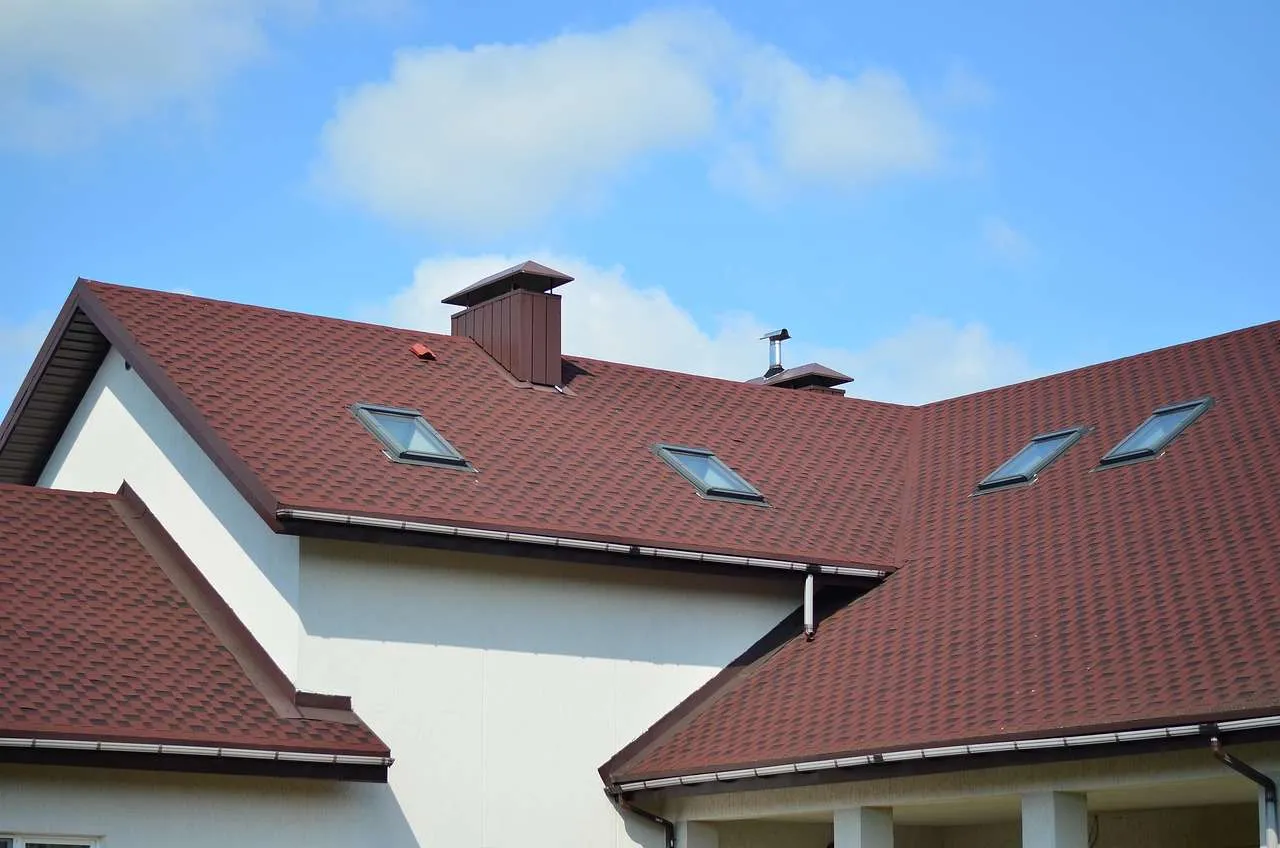
What is TPO Roofing?
TPO stands for thermoplastic polyolefin, a popular single-ply membrane used on flat and low-slope roofs. TPO membranes are typically white or light-colored to reflect sunlight, helping reduce cooling costs in warm climates. Because the material is thermoplastic, seams can be heat welded to create a continuous, waterproof layer. TPO is commonly supplied in thicknesses of 45 mil or 60 mil and can be reinforced or non reinforced. This combination of reflectivity, ease of installation, and affordable price has made TPO a favorite for many commercial projects and select residential applications.
Benefits of TPO Roofing
- Energy efficiency: White or reflective surfaces reduce heat absorption, lowering cooling loads in many climates.
- Durability: Reinforced membranes provide good tear and puncture resistance, particularly when properly installed.
- Cost effectiveness: Generally more affordable than PVC while offering strong performance and repair options.
- Flexible maintenance and repair: Seams can be heat welded, and patches or replacement sections can be integrated with relative ease.
- Versatility for flat or low-slope roofs: Suitable for a wide range of building sizes and commercial layouts.
TPO Membranes and Installation
There are reinforced and non reinforced TPO membranes. Reinforced versions use polyester or fiberglass fabric to increase strength and puncture resistance, while non reinforced options are lighter and may be chosen for simpler applications. Typical membrane thicknesses include 45 mil and 60 mil, with reinforced variants favored for longer service life.
Installation methods
TPO systems can be installed using mechanical attachment, full adhesion, or ballasted approaches, depending on roof design, climate, and wind conditions. Seams are heat welded using specialized equipment to create a watertight seal. Because workmanship directly affects performance and warranty validity, hiring a certified installer with experience in TPO is essential.
Maintenance and Longevity
Regular inspections (at least twice a year and after major storms) help identify loose seams, punctures, or flashing issues early. Keep drainage paths clear and remove debris from the surface to prevent ponding. Clean the membrane with mild detergent and water when needed; avoid harsh solvents that can degrade the material. Warranties for TPO roofs typically range from 10 to 35 years, depending on the manufacturer, reinforcement, and installation method.
Common Concerns and FAQs
Common questions focus on color fading, seam integrity, and overall lifespan. When installed by trained professionals and maintained properly, a TPO roof can deliver reliable service for many years. To maximize performance, verify warranty terms, confirm that the installer is certified, and ensure that detailing at penetrations, edges, and transitions is thoroughly addressed.
Comparison: TPO vs Other Flat Roofing Options
| Roof Type | Material | Lifespan | Pros | Cons | Best For |
|---|---|---|---|---|---|
| TPO | Thermoplastic Polyolefin membrane | 15–25 years | Reflective, cost effective, easy seam welding | Performance can vary by site and installation | Flat or low-slope roofs seeking energy savings |
| EPDM | Ethylene Propylene Diene Monomer | 20–30 years | Durable, flexible, good for large roofs | Less reflective options; patch repairs can be visible | Long-term endurance and simple repair needs |
| PVC | Polyvinyl chloride | 20–30 years | Excellent seam strength, chemical resistance | Higher material cost, environmental concerns in manufacture | Roofs with chemical exposure or demanding reliability |
Budgeting and How to Choose a Contractor
Prices for TPO roofing vary by region, roof size, membrane reinforcement, and installation method. Typical installed costs for TPO range from roughly five to nine dollars per square foot, with reinforced membranes toward the higher end. When planning a project, obtain multiple written bids, verify manufacturer warranties, and confirm installer certifications from manufacturers or industry bodies. Look for a reasonable workmanship warranty (often at least two years) and clear coverage for leak repairs. A qualified contractor should conduct a site assessment, provide a detailed proposal, and articulate proper detailing at penetrations, flashings, and edges.
Conclusion
Conclusion, TPO roofing offers a balanced combination of affordability, energy efficiency, and practicality for flat and low-slope roofs. When installed correctly by certified professionals and supported by solid warranties, TPO can deliver reliable long-term performance with lower operating costs and manageable maintenance compared with some alternatives.